
The Importance of a Heart-Healthy Diet Plan
- nutreecare123
- 3 days ago
- 3 min read
When it comes to taking care of our health, the heart often deserves the spotlight. After all, it’s the engine that keeps us going every day. I’ve learned that adopting a heart-healthy diet plan is one of the most effective ways to protect this vital organ. It’s not just about avoiding certain foods; it’s about embracing a lifestyle that supports long-term wellness. Let me walk you through why this matters and how you can make simple, meaningful changes.
Why Focus on Heart Health?
Heart disease remains one of the leading causes of illness and death worldwide. It’s a reality that hits close to home for many, especially within the South Asian community here in Ontario. Genetics, lifestyle, and diet all play a role in heart health. But the good news is, many risk factors are within our control.
Eating well is a powerful tool. A diet rich in nutrients can lower blood pressure, reduce cholesterol, and help maintain a healthy weight. These benefits add up to a stronger heart and a longer, healthier life. It’s not about perfection but progress. Every small step counts.
What Does a Heart-Healthy Diet Look Like?
A heart-healthy diet is balanced, colorful, and full of whole foods. Here’s what I focus on and recommend:
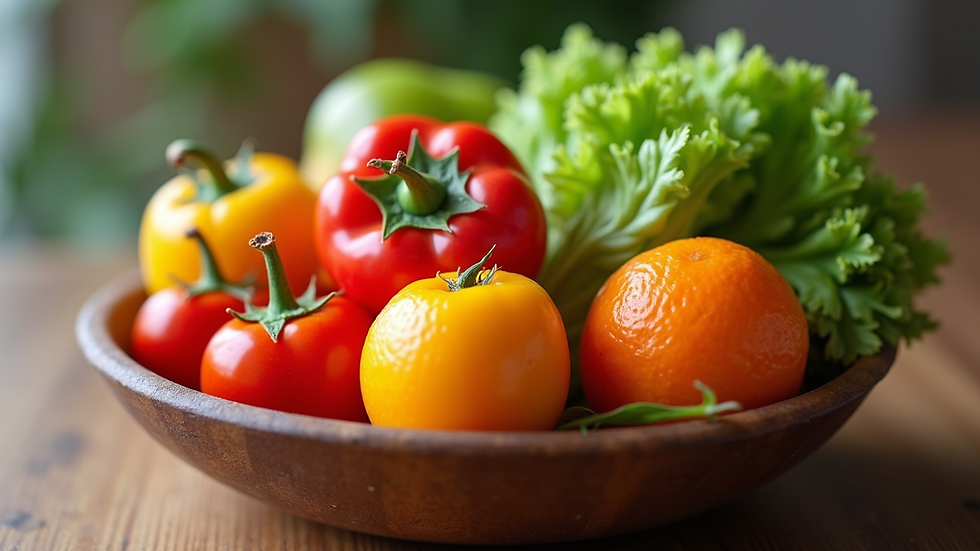
Fruits and Vegetables: Aim for a variety of colors and types. These provide antioxidants, vitamins, and fiber that support heart function.
Whole Grains: Brown rice, whole wheat, oats, and barley help regulate blood sugar and cholesterol.
Lean Proteins: Choose fish, skinless poultry, legumes, and nuts. Fatty fish like salmon are especially good because of their omega-3 fatty acids.
Healthy Fats: Use olive oil or canola oil instead of butter or lard. Avoid trans fats found in many processed foods.
Limit Salt and Sugar: Too much salt can raise blood pressure, and excess sugar contributes to weight gain and inflammation.
By focusing on these foods, you create a foundation that supports your heart every day.
How to Make Heart-Healthy Choices in Everyday Life
Changing eating habits can feel overwhelming, but it doesn’t have to be. Here are some practical tips that have helped me and many others:
Plan Your Meals: Preparing meals ahead of time helps avoid last-minute unhealthy choices.
Cook at Home: This gives you control over ingredients and portion sizes.
Read Labels: Look for hidden sugars, sodium, and unhealthy fats.
Snack Smart: Choose nuts, seeds, or fresh fruit instead of chips or sweets.
Stay Hydrated: Water supports overall health and helps control appetite.
Remember, it’s about progress, not perfection. Even small changes, like swapping white rice for brown or adding an extra serving of vegetables, make a difference.
Cultural Foods and Heart Health
For many in the South Asian community, food is deeply tied to culture and tradition. The good news is, you don’t have to give up your favorite dishes to eat heart-healthy. Instead, you can adapt recipes to be more nutritious without losing flavor.
For example, try using less ghee or oil, incorporate more vegetables, and choose whole grain options like brown basmati rice. Spices like turmeric, ginger, and garlic not only add taste but also have anti-inflammatory properties.
Nutreecare Nutrition and Lifestyle Counselling understands these cultural nuances and offers personalized guidance that respects your heritage while promoting heart health.

The Role of Lifestyle Beyond Diet
While diet is crucial, it’s just one piece of the puzzle. Regular physical activity, stress management, and avoiding tobacco also play vital roles in heart health. Even a daily walk or gentle yoga can improve circulation and reduce stress hormones.
Sleep is another important factor. Aim for 7-8 hours per night to help your body repair and maintain balance.
Together, these habits create a supportive environment for your heart to thrive.
Taking the First Step Toward a Healthier Heart
Starting a heart healthy diet plan might feel like a big change, but it’s really about small, consistent actions. Begin by adding more fruits and vegetables to your plate or swapping out processed snacks for wholesome options.
If you’re unsure where to start or need support tailored to your lifestyle and culture, consider reaching out to a registered dietitian. They can help you create a plan that fits your needs and goals.
Your heart deserves care and attention every day. By choosing nourishing foods and healthy habits, you’re investing in a future full of vitality and joy.
Embracing a Heart-Healthy Lifestyle Together
Making changes can be easier when you’re not alone. Share your goals with family and friends, cook meals together, and encourage each other. Celebrate your progress, no matter how small.
Remember, a heart-healthy diet plan is not a restriction but a path to feeling your best. It’s about enjoying food that fuels your body and supports your heart’s strength.
Let’s take this journey one step at a time, with kindness and patience for ourselves. Your heart will thank you for it.

Comments